
Travel Tips
Lorem ipsum dolor sit amet, consectetur adipiscing elit.
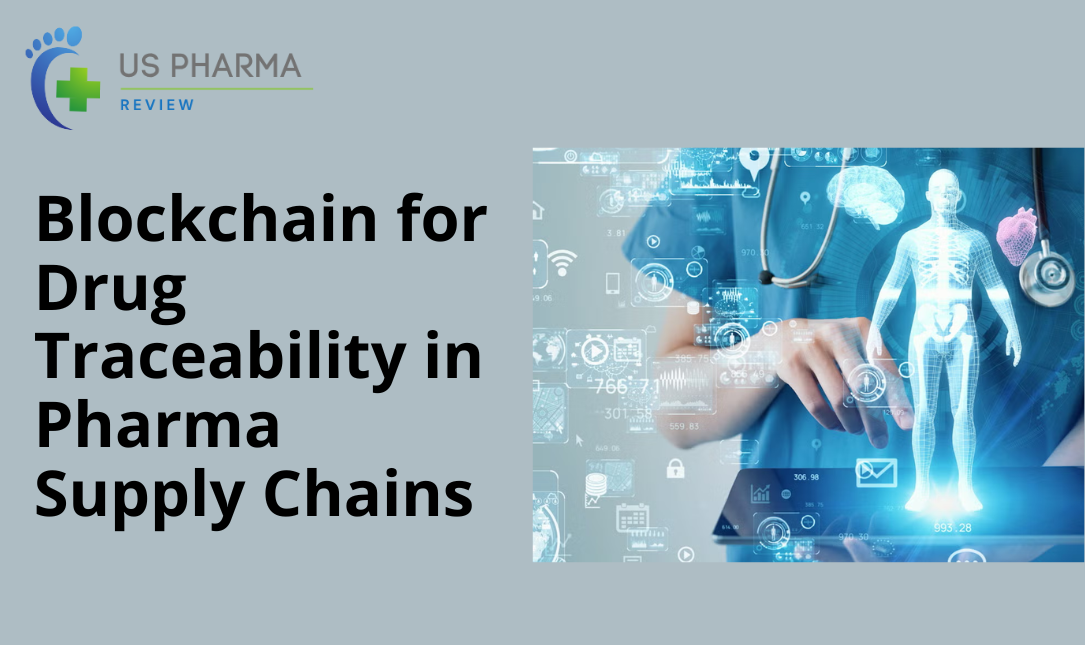
The global pharmaceutical industry faces increasing challenges related to drug traceability, authenticity, and regulatory compliance technology. Counterfeit medicines, estimated by the World Health Organization (WHO) to make up more than 10% of the global drug market, continue to threaten patient safety and brand reputation. To combat these issues, blockchain in pharma has emerged as a transformative force, offering immutable data records, transparent transactions, and secure supply chain operations.
Blockchain’s decentralized and tamper-proof ledger is revolutionizing how drugs are tracked, verified, and distributed. In the Pharma Tech landscape, it is paving the way for a future where every pill can be traced back to its origin with complete accuracy.
Blockchain in pharma refers to the use of distributed ledger technology (DLT) within pharmaceutical operations — particularly in drug serialization and supply chain transparency. Each transaction in a blockchain network is time-stamped, encrypted, and linked to previous ones, forming a secure digital chain of custody.
Unlike traditional systems that rely on centralized databases prone to manipulation or data loss, blockchain offers:
Immutability: Once recorded, data cannot be altered.
Transparency: Authorized stakeholders can view the drug’s journey from manufacturer to patient.
Security: Cryptographic protection ensures only verified participants access the network.
This architecture builds trust among regulators, manufacturers, and consumers alike, fostering a safer and more efficient pharmaceutical ecosystem.
Drug serialization is the process of assigning unique identifiers to each pharmaceutical package, allowing for precise tracking across the supply chain. While serialization laws such as the U.S. Drug Supply Chain Security Act (DSCSA) and the EU Falsified Medicines Directive (FMD) have made progress, they still rely on fragmented data systems.
Here, blockchain in pharma brings a unified layer of trust. It enables real-time sharing of serialization data between manufacturers, distributors, and regulators. Every serialized code scanned, every shipment logged, and every transaction approved becomes part of a permanent blockchain record.
This not only ensures compliance but also simplifies recalls, reduces paperwork, and strengthens counterfeit prevention efforts.
Supply chain transparency is a major hurdle for the pharmaceutical sector. Complex global networks often involve multiple intermediaries, making it difficult to trace the origin or authenticity of products.
Blockchain technology provides a shared, real-time view of the entire supply chain. For instance, when a manufacturer dispatches a batch of vaccines, every movement—from packaging to temperature-controlled storage and delivery—is recorded on the blockchain.
This level of transparency benefits all stakeholders:
Manufacturers gain insight into product distribution.
Regulators can verify compliance effortlessly.
Pharmacies and patients receive verifiable assurance about product authenticity.
By integrating blockchain in pharma, companies can move toward a fully traceable and accountable supply chain that minimizes risks and maximizes efficiency.
Counterfeit drugs are one of the most dangerous threats in global healthcare, costing the industry billions and endangering lives. The immutable nature of blockchain makes it an ideal tool for counterfeit prevention.
Each genuine drug product, once logged into the blockchain system, carries an unforgeable digital signature. If a fake product enters the market, its details will not match the blockchain record — immediately signaling an alert.
This is especially beneficial for high-value drugs like biologics and specialty medicines, where the financial and health stakes are highest. Blockchain in pharma thus offers a proactive defense mechanism, ensuring that only authentic medicines reach patients.
The pharmaceutical industry operates under strict regulatory frameworks. Regulatory compliance technology, when combined with blockchain, can help companies meet evolving legal requirements efficiently.
Through automated smart contracts — self-executing agreements coded into the blockchain — compliance checks can be performed instantly. For example, a smart contract can ensure that a shipment is released only if it meets specific temperature or documentation criteria.
This level of automation not only reduces administrative overhead but also eliminates human error, ensuring continuous alignment with regulations like the DSCSA, FMD, and WHO Good Distribution Practices (GDP).
By implementing blockchain in pharma, companies can streamline audits, maintain accurate documentation, and demonstrate real-time compliance to authorities.
Several leading pharmaceutical companies and startups have already begun integrating blockchain into their supply chains:
Pfizer and Genentech are collaborating on blockchain pilots for DSCSA compliance.
MediLedger provides a blockchain-based network for drug verification across U.S. distributors.
IBM and KPMG have explored blockchain to enhance vaccine distribution integrity.
These initiatives demonstrate that blockchain in pharma is not a theoretical concept but a practical innovation driving measurable results.
Moreover, the integration of blockchain aligns with broader industry trends. For instance, biopharma dealmaking in 2025 continues to focus on digital transformation and data-driven efficiency — both of which blockchain technologies directly support.
Despite its promise, adopting blockchain in the pharmaceutical sector is not without obstacles. Key challenges include:
Interoperability: Integrating blockchain systems with existing enterprise software.
Scalability: Managing the large volume of transactions in global supply chains.
Data Privacy: Balancing transparency with confidential business information.
Industry Collaboration: Encouraging all participants—manufacturers, wholesalers, regulators—to adopt a shared platform.
Solutions are emerging through consortiums like the PharmaLedger initiative, which develops open-source frameworks to promote standardization and collaboration.
As the technology matures, and as governments increasingly recognize the value of blockchain in pharma, these barriers are expected to diminish.
The next decade will likely witness full integration of blockchain with advanced digital tools such as IoT sensors, AI-driven analytics, and smart packaging. Together, these innovations will create an intelligent supply network where data flows seamlessly and securely.
For instance, IoT devices could automatically upload temperature readings of drug shipments onto the blockchain. AI systems could then analyze this data for patterns of non-compliance or potential fraud. The synergy between these technologies will redefine the standards of supply chain transparency and patient safety.
Furthermore, as drug serialization mandates expand globally, blockchain will become indispensable for compliance and efficiency. Pharmaceutical companies that adopt blockchain early will gain a competitive edge through improved trust, cost savings, and operational agility.
In an era where authenticity and accountability define success, blockchain in pharma offers a revolutionary path forward. It addresses core challenges—drug serialization, counterfeit prevention, supply chain transparency, and regulatory compliance technology—with unmatched precision and reliability.
By building trust through data integrity and real-time visibility, blockchain is set to become the backbone of the modern pharmaceutical supply chain.
As the Pharma Tech industry continues to evolve, one thing is certain: the adoption of blockchain in pharma isn’t just an innovation — it’s a necessity for ensuring the safety, efficiency, and transparency of the medicines we rely on every day.

